
There are some songs that seem almost impossible to remake. They become so closely connected to a particular voice, arrangement, era and feeling that any new version risks sounding unnecessary.
Johnny Nash’s “I can see clearly now” happens to be one of those songs. The song which was first released in 1972 became a Number 1 Hit and went on to become one of those rare recordings that continued to find new listeners across generations.
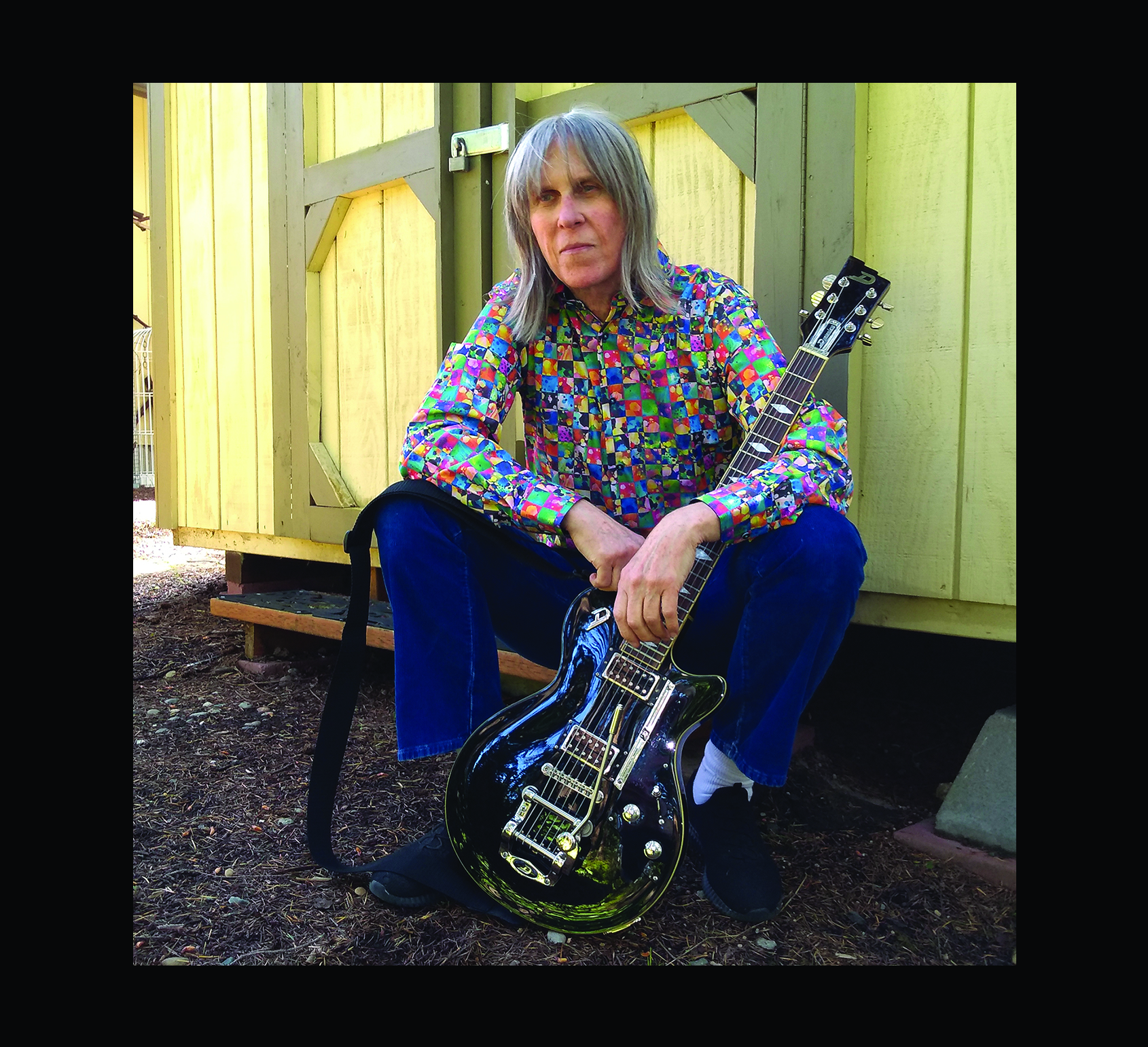
Now, American songwriter RUSTY REID takes on the classic with his own recording of “I Can See Clearly Now” released as a new single from his album LONE STARDUST (Masterworks of Texas Songwriters) He honors the original while adding his personal touch to the song.

Rusty Reid had made an observation; Every artist who tried to make the song edgy, rocky or slow took away it’s real joy. Instead of changing what already works, Reid worked with Nashville Musician Jed Demlow to build the music. Demlow played the keyboards, bass, drums and percussion, creating this fun and lively background that feels like the Original version without just being a copy.
Reid describes “I Can See Clearly Now” as almost the perfect song and it is easy to see why. The song has a melody that is easy to remember, and the lyric describes what it feels like to come through a difficult time and finally begin to see life in a different way.
The Rain is gone. The obstacles can now be seen. The darkness has lifted. The pain has passed. It really is a simple idea but the simplicity it carries is part of what makes the song so strong.
The idea isn’t to completely rebuild the song into something else but to approach the song with respect. The familiar arrangement is still much intact, but the voice and guitar give it a new identity.
“I Can See Clearly Now” is a joyful song and it’s optimism is simple and honest. It doesn’t need to be slowed down dramatically to show that the lyrics have emotional depth. Reid understands that.
His version keeps the song’s positive spirit and forward movement while giving it this warm, straightforward quality connected to his indie-folk-country-rock sound.
Reid’s version is not an imitation; The difference is important to note. The instrument brings what Reid calls the rusty sound into the song, and he uses his guitar to give the song his own mark. It’s a tiny but effective choice.
Another interesting choice comes in the bridge. Reid points out that the long series of notes Johnny Nash holds in the original is often left out by other artists who have covered the song. The harmonies used by Nash and Jimmy are also an important part of their versions.
Reid had originally planned to include those harmonies in his recording. However, after listening again, he decided to keep his vocal approach simpler by using a double track instead of trying to reproduce every vocal detail from the earlier versions.
It is important to note that there is no auto tune which adds to the natural feel of this recording.
Reid and Demlow created magic with this version, and the result is quite impressive. Their partnership works because the arrangement understands what needs to stay and what can be changed. The song still has the bounce and movement that helped make the original so memorable, but the combination of Reid’s vocals and guitar gives the recording a more modern country rock feel.
The message of the song still matters. It’s images are simple: Dark clouds clearing, obstacles becoming visible, blue skies appearing and a rainbow finally appearing. These images carry a deeper emotional meaning.
The song captures the moment when pain no longer controls the way we see the world. It is not neccessarily saying that life will never become difficult again. It describes the moment a person realizes that they’ve survived whatever was weighing them down. That is why the song can still feel relevant more than five decades after it’s original release.
“I Can See Clearly Now” is a classic song being performed by a musician who genuinely enjoys the material rather than an artist trying to prove that he can completely reinvent it.
For listeners who already love Johnny Nash’s version, Reid’s recording offers a respectful new way to hear a familiar favorite. For those discovering the song for the very first time, it works on it’s own, a warm, melodic and uplifting piece of Indie folk pop with a timeless message at it’s Centre.
SOCIAL LINKS:
 English