
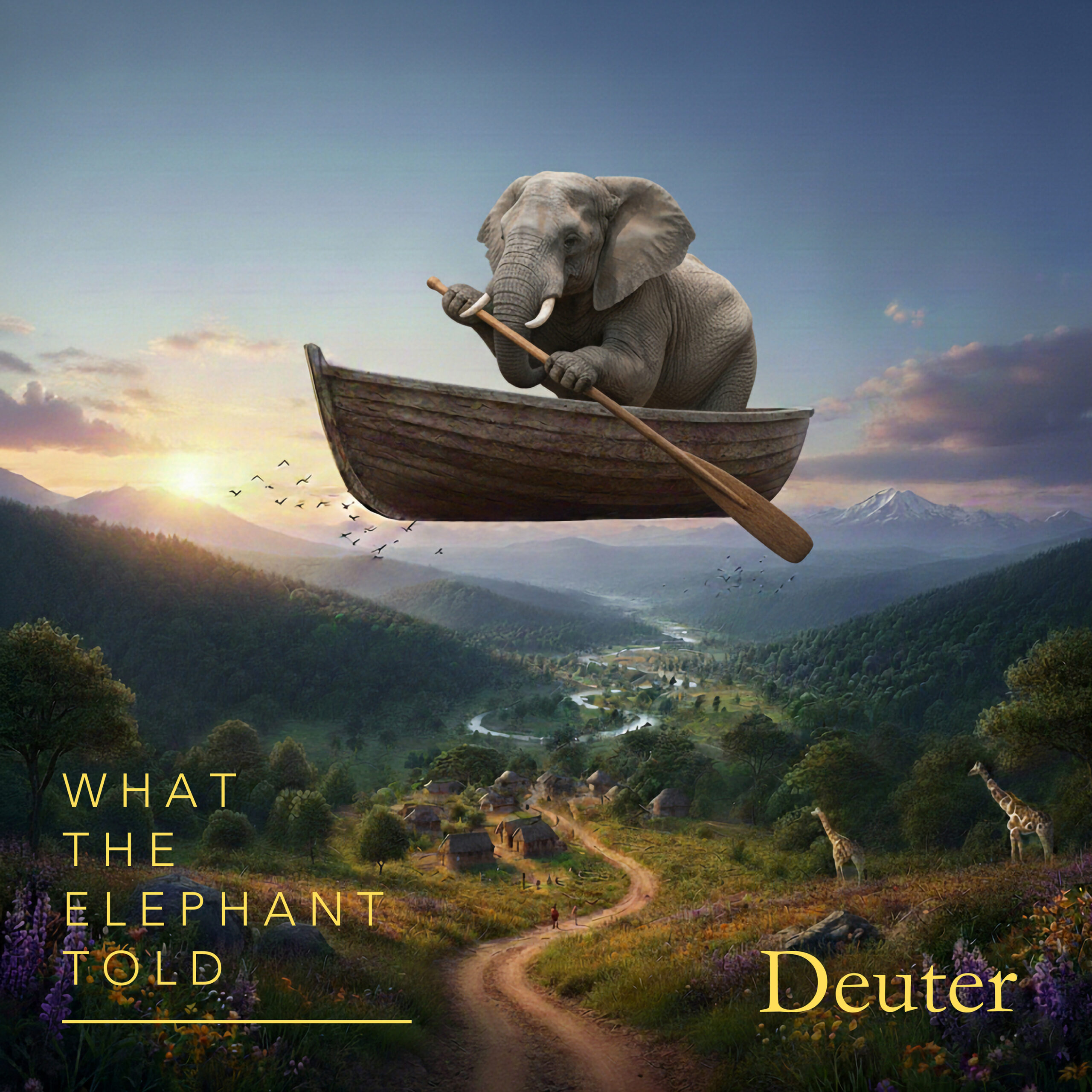
With a career spanning decades and so many albums released, Deuter has built a lasting reputation for creating music that brings together nature, spirituality and inner peace. His latest album, What the Elephant Told, continues this journey, drawing inspiration from the lives of elephants and the important work of wildlife conservation. Blending ambient, new age and instrumental sounds, Deuter delivers a collection that encourages listeners to slow down, appreciate the natural world and reflect on the connections we share with other living creatures.
Known simply as Deuter, the musician has built a unique sound by combining ambient, world and new age music. His wide range of instruments includes the flute, guitar, recorder, koto, shakuhachi, sitar, Tibetan singing bowls, santoor, bouzouki, piano and keyboards. This experience allows him to create rich musical landscapes that feel both natural and deeply personal.

On What the Elephant Told, Deuter admonishes us to step away from the noise of everyday life and explore the natural, spiritual and passing moments that surround us. It is an album that encourages patience, quiet reflection and a deeper connection with the world.
Deuter’s inspiration for this album came partly from his admiration for the Sheldrick Wildlife Trust (SWT), one of Africa’s oldest wildlife charities and a leading conservation organization in Kenya. The Trust is internationally known for its pioneering Orphans’ Project, which rescues, cares for and helps orphaned African elephants, rhinos and other animals return to the wild. Its wider work includes protecting wildlife, preserving natural habitats and supporting conservation efforts in local communities across Kenya.
The tracks in the album are somehow connected to elephants living under the care of the Trust. Through these names, Deuter celebrates the animals and the people working to protect them. Deuter chooses not to mimic African musical styles and decides to bring his inspiration into his own familiar sound.
The Elephant symbolizes memory, dreams, family, strength and the quiet wisdom of nature. This approach highlights the thoughtful message behind the album. It encourages us to look beyond ourselves and consider what we might learn from animals and the natural world if we paid closer attention.
Musically, What the Elephant Told stays true to Deuter’s gentle, thoughtful style. The album combines flute, piano, cello, violin, oboe and synthesizer sounds to create calm and spacious arrangements.
One of Deuter’s greatest strengths is his use of space. Instruments enter gently, interact with one another and slowly fade away. Instead of relying on loud sounds, strong rhythms or dramatic endings, he allows each musical idea to develop naturally. The silence between the notes is just as important as the music itself. Some passages feel like watching elephants disappear into the mist, leaving behind a sense of peace and wonder.
Track Review
1. KumbuKumbu
The album opens with piano and occasional electronic sounds that create a mysterious, almost otherworldly atmosphere. The Swahili title means “Memories,” making it a fitting introduction to a journey filled with reflection and discovery. The combination of familiar piano tones and unusual electronic textures creates a gentle sense of wonder.
2. Mapambazuko
This composition unfolds slowly, allowing its sounds to settle without rushing towards a dramatic ending. It shows Deuter’s ability to make slow music feel meaningful rather than empty. The piece encourages listeners to relax and enjoy the changing atmosphere.
3. Nymphaea
A shorter and more delicate piece, Nymphaea adds a lighter mood to the album. Its natural imagery fits the record’s wider themes, while its gentle flow helps connect the surrounding compositions. It is a quiet moment of beauty within the larger journey.
4. What the Elephants Told
The title track is the album’s longest composition and its main musical highlight. The flute leads the way, supported by strings, reeds and sweeping synthesizer sounds that create a wide, open atmosphere. Its extended length gives the music room to develop naturally. Rather than building towards a big climax, the composition maintains a peaceful mood and allows listeners to form their own ideas about its meaning.
What did the elephant tell? Perhaps something about family, memory, patience or the importance of protecting nature. Deuter leaves the answer open, allowing each listener to discover a personal meaning in the music.
5. Pollen Path
Pollen Path continues the album’s connection with nature through its light, floating atmosphere. The title suggests the movement of pollen through the air and the quiet processes that keep the natural world alive. The music avoids unnecessary drama and maintains the album’s calm, flowing character.
6. Ndoto Za Tembo
Meaning “Dreams of the Elephant,” this composition was selected as the album’s first single. It invites listeners to imagine the inner world of an elephant and consider life from the perspective of another living creature.
7. Laini Na Kubwa
This piece begins slowly, with piano leading the way before the flute adds new colour. As the music develops, different combinations of instruments create a sense of discovery while keeping the peaceful mood intact.
The arrangement highlights Deuter’s skill as a multi-instrumentalist. He uses different sounds to keep the music interesting without making it feel crowded or complicated.
8. Kumbatio La Tembo
This piece begins slowly, with piano leading the way before the flute adds new colour. As the music develops, different combinations of instruments create a sense of discovery while keeping the peaceful mood intact. The arrangement highlights Deuter’s skill as a multi-instrumentalist. He uses different sounds to keep the music interesting without making it feel crowded or complicated.
Although What the Elephant Told fits comfortably within ambient, new age and meditation music, it offers more than a relaxing background sound. Its connection to the Sheldrick Wildlife Trust gives it a clear purpose, while the arrangements show Deuter’s experience and distinctive musical style.
At a time when life seems to move faster every day, What the Elephant Told offers a welcome reminder to pause, appreciate our connections and care for the natural world. It encourages us to spend time with the people we love, respect other living creatures and find value in simply being present.
CONNECT WITH DEUTER:
info@curveblue.com
 English